
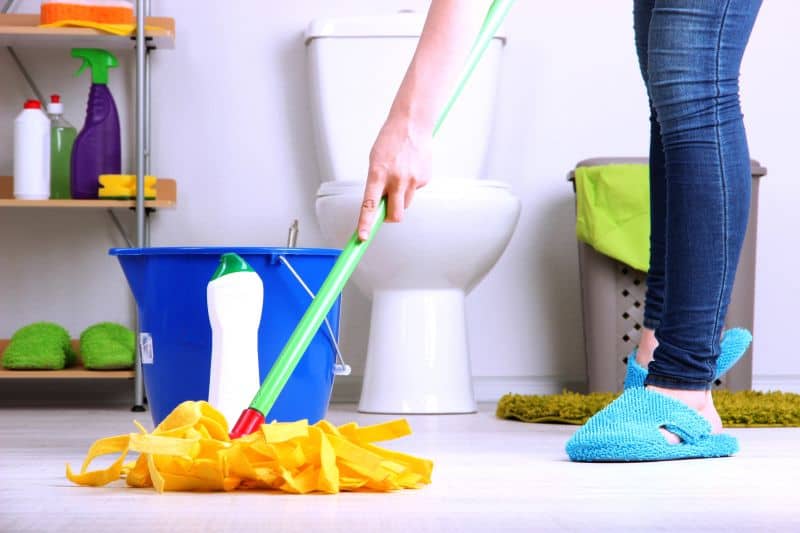
Bathroom odors are more common than most people realize. They can be embarrassing and persistent, and often people don’t know where they originate. Understanding bathroom odors and their sources is the first step in eliminating them. With proper cleaning, ventilation, and maintenance, you can keep your bathroom smelling fresh and safe.
Why Bathroom Odors Persist
Even after thorough cleaning, bathroom odors can linger. There are several reasons for this:
-
Bacteria and mold: Bathrooms are warm and humid, perfect for bacterial growth and mold.
-
Trapped moisture: Poor ventilation can leave water lingering on surfaces, contributing to odor.
-
Plumbing issues: Sewage backups, dry traps, or slow drains can release foul smells.
Therefore, eliminating odors requires more than surface cleaning. You need to address the hidden sources.
Common Sources of Bathroom Odors
1. Toilet and Sewer Lines
The toilet is an obvious source of odor. However, smells often travel from hidden areas such as the sewer line. If the P-trap is dry, sewer gases can escape into your bathroom. Additionally, cracked seals around the toilet base can leak odors.
2. Drains and Sinks
Bathroom sinks, showers, and tubs all connect to drains. Hair, soap scum, and residue can build up inside the pipes. Over time, these deposits create bacteria growth that produces unpleasant odors. Regular drain cleaning reduces these sources.
3. Shower and Bathtub Areas
Showers and tubs remain damp for long periods. Water that sits on tiles, grout, and caulking encourages mold and mildew growth. Mold spores release a musty smell that contributes to bathroom odors. Using a daily squeegee and cleaning with anti-mold products can help.
4. Bathroom Fabrics
Towels, rugs, and shower curtains can trap moisture and bacteria. If they aren’t washed regularly, they become a source of odor. In addition, some fabrics retain fragrances or cleaning residues that mix with bacteria, worsening the smell.
5. Hidden Areas
Odors can also originate from unexpected places, including:
-
Behind toilets
-
Under sinks
-
Around vents
-
Inside ventilation fans
These areas often go unnoticed during routine cleaning but can harbor bacteria and mold, contributing to persistent bathroom odors.
How to Identify the Source
Identifying the source of bathroom odors is key. Start by:
-
Smelling specific areas carefully to pinpoint the strongest odors.
-
Checking drains, vents, and plumbing for slow flow or blockages.
-
Inspecting shower grout, caulking, and hidden corners for mold or mildew.
Once you identify the source, you can take targeted action to eliminate it.
Preventing Bathroom Odors
1. Regular Cleaning
Clean all bathroom surfaces regularly. Focus on toilets, sinks, tubs, tiles, and hidden areas. Use disinfectants that kill bacteria and prevent mold growth. In addition, wipe down surfaces with microfiber cloths to reduce residue.
2. Maintain Drains and Plumbing
-
Pour enzyme-based cleaners down drains weekly.
-
Check P-traps to ensure they contain water and block sewer gases.
-
Repair cracked seals around toilets and fixtures.
3. Ventilate Properly
Ventilation is crucial. Turn on exhaust fans during showers and baths. Open windows when possible. Ventilation reduces moisture, helping prevent mold, mildew, and bacteria buildup.
4. Wash Bathroom Fabrics Regularly
Wash towels, rugs, and shower curtains at least once a week. Ensure they dry completely after use. This prevents bacteria growth and helps eliminate bathroom odors.
5. Use Natural Fresheners
For extra freshness, consider natural odor absorbers like:
-
Baking soda in bins or drawers
-
Activated charcoal in cabinets
-
Essential oil diffusers (lavender, eucalyptus)
These methods do not mask odors but help reduce bacterial and mold smells.
Professional Help
If odors persist despite your efforts, the problem may be hidden plumbing issues or mold behind walls. In these cases, professional inspection is recommended. Licensed plumbers or cleaning professionals can locate and eliminate sources that are not visible. For professional cleaning guidance, resources from the CMI and ISSA provide detailed standards for bathroom hygiene.
Bathroom odors are more complex than they appear. They can originate from toilets, drains, fabrics, ventilation systems, or hidden areas. To eliminate them, it’s important to identify the source, clean regularly, maintain plumbing, and ensure proper ventilation.
By following these steps, you can maintain a fresh-smelling bathroom that is healthy and pleasant to use. In addition, regular attention to hidden areas and fabrics ensures that odors don’t return, keeping your bathroom clean and inviting at all times.